Customization
Tailor-made software is built to meet the specific needs of a business. It aligns with the organization's processes, workflows, and objectives.
Smart Biz is a platform for building Tailor-Made Enterprise Management Solution faster and easier. Scale the software as the growth of your business.
Smart Biz is designed to cater the tailor-made software development faster and cost efficient. Tailor-made software, also known as custom software or bespoke software, is designed and developed specifically for a particular organization or user.
Small businesses typically won’t have any trouble locating affordable software that can satisfy the majority of their objectives. The company will need to adapt as it grows to the demands of a constantly shifting market. For small businesses, the cost of boxed software might be expensive.
Tailor-made software is built to meet the specific needs of a business. It aligns with the organization's processes, workflows, and objectives.
As the organization grows, the software can be adapted and expanded for new functions, users, or business processes.
Custom software is optimized for the tasks people actually do. It drops unused features and keeps the work that matters.
It connects with the systems already in use, so data is not trapped in separate tools.
Unique features that off-the-shelf software does not offer help the organization stand out.
The first build can cost more than a package. Over time it avoids paying for features the organization does not use.
The software can be built around the organization's own security and compliance requirements.
The organization owns the software and can change it without waiting on a third-party vendor for every update.
Updates, fixes, and improvements follow the organization's needs so the software stays current.
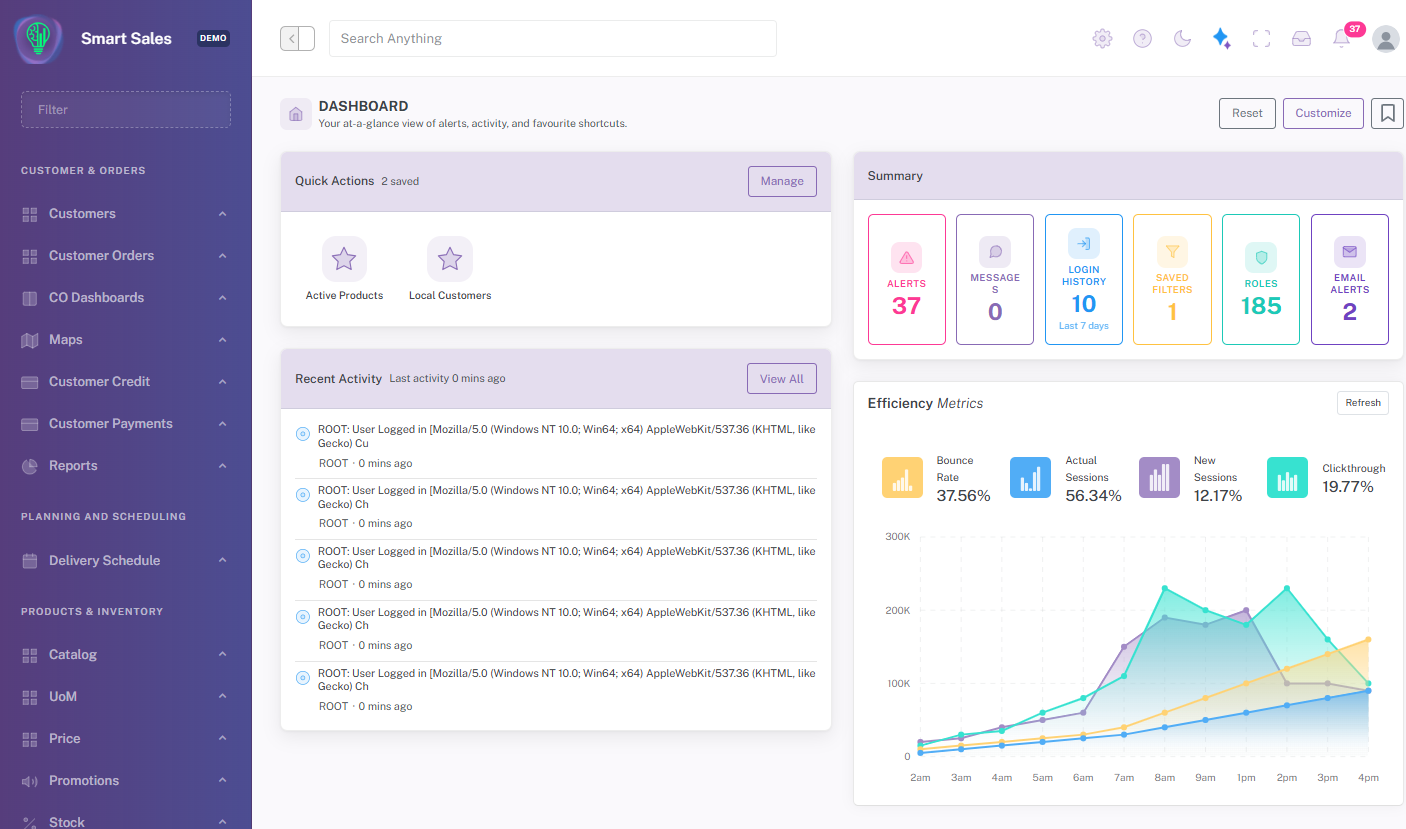
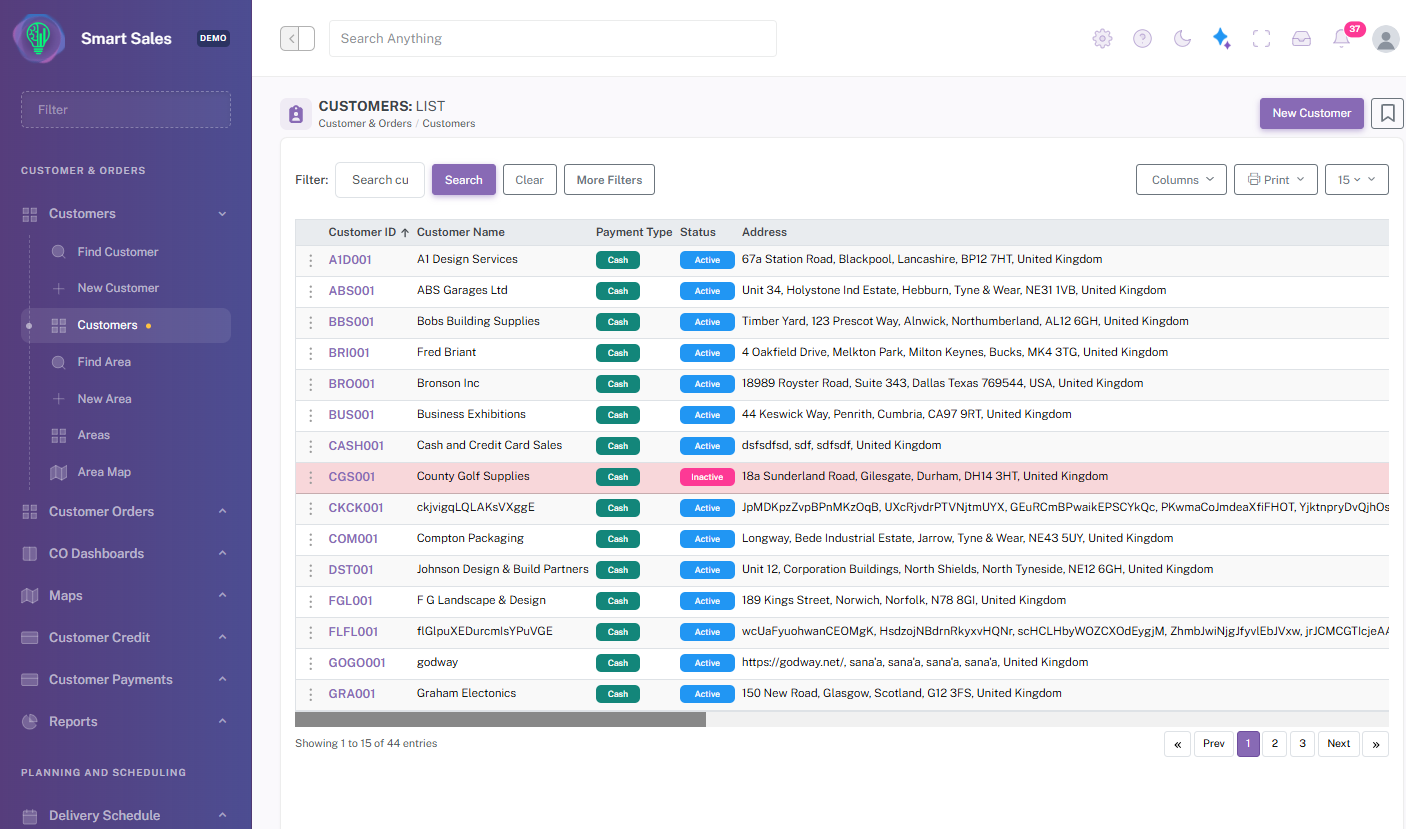
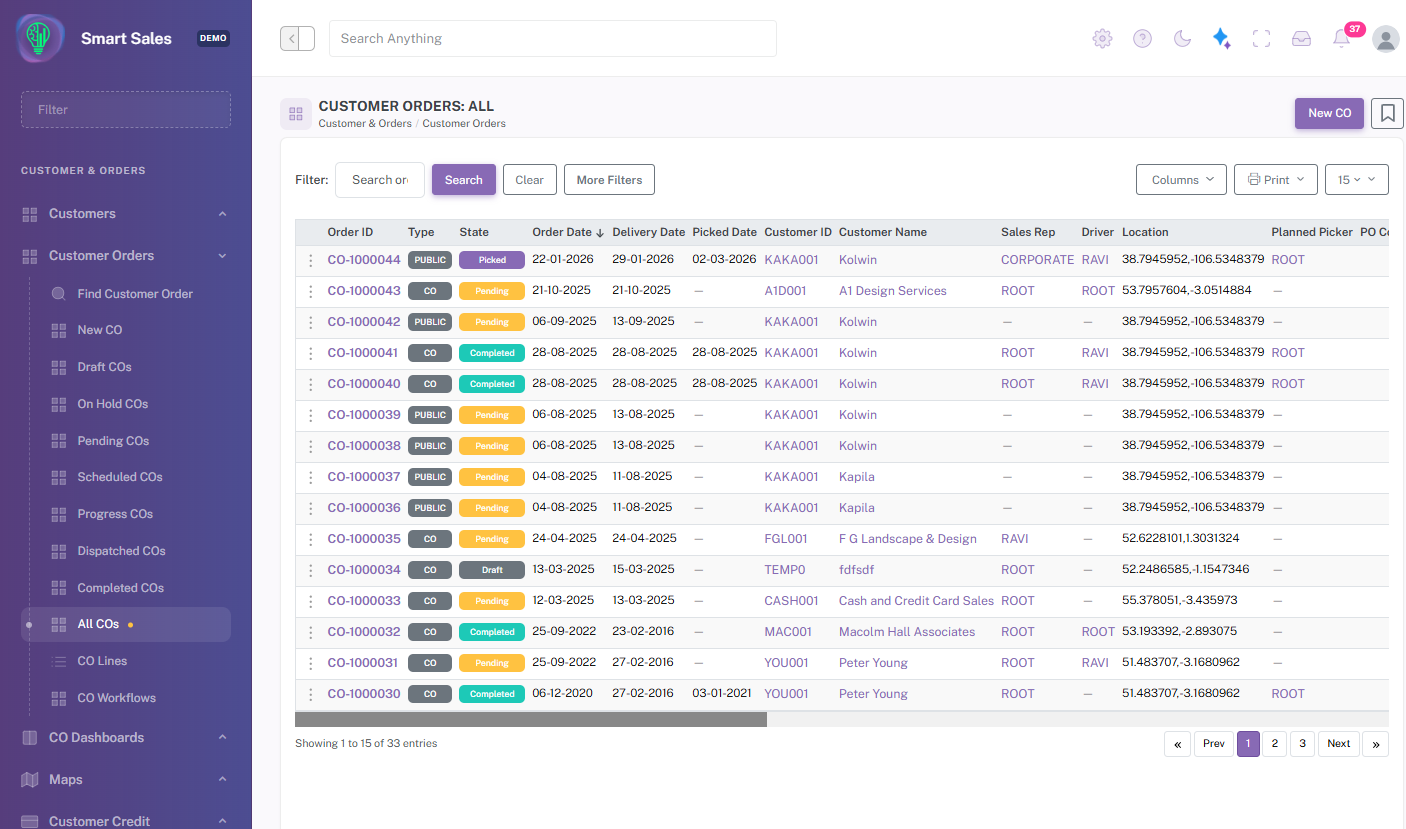
These are the live demo screens for sales, inventory, purchasing, support, and AI usage.
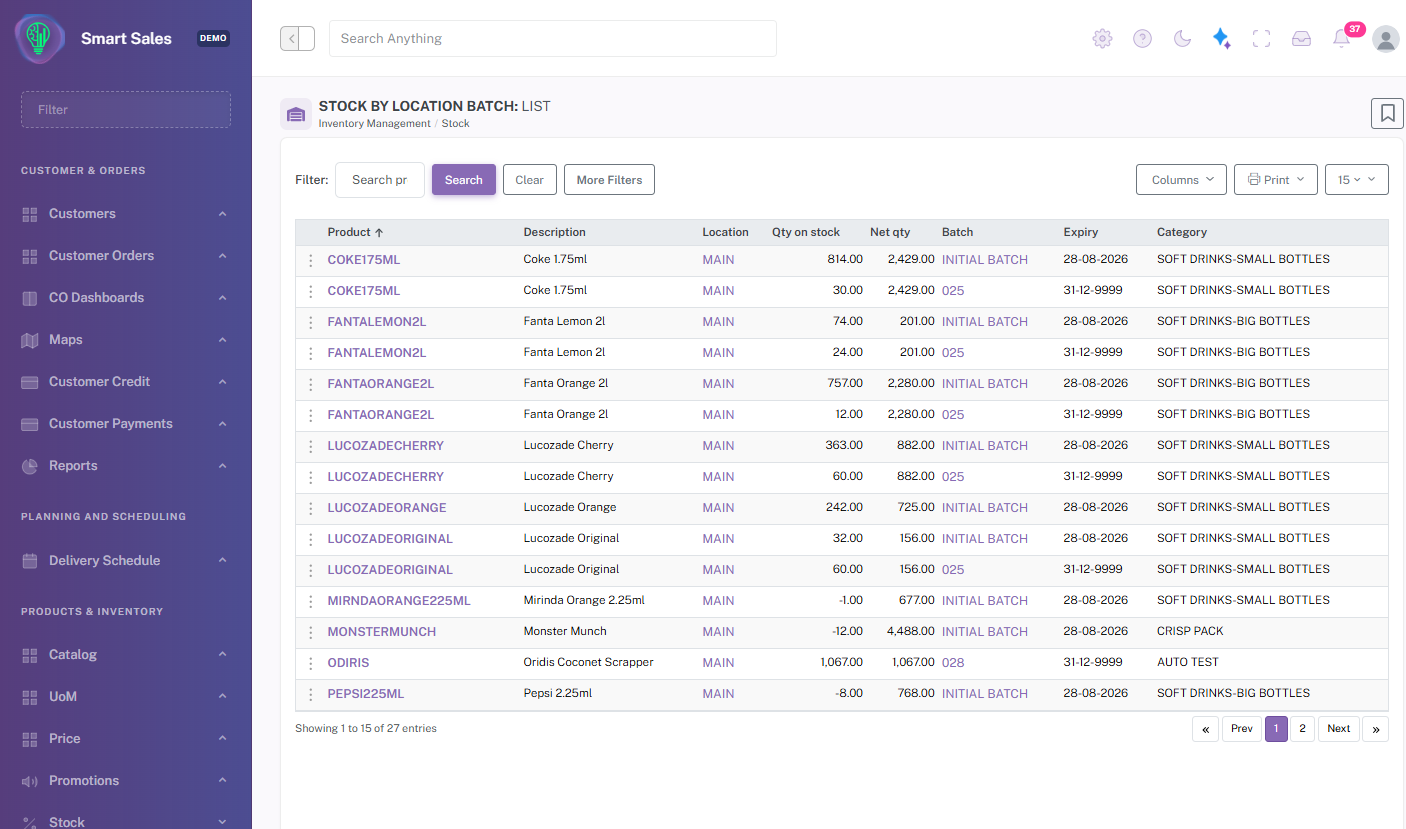
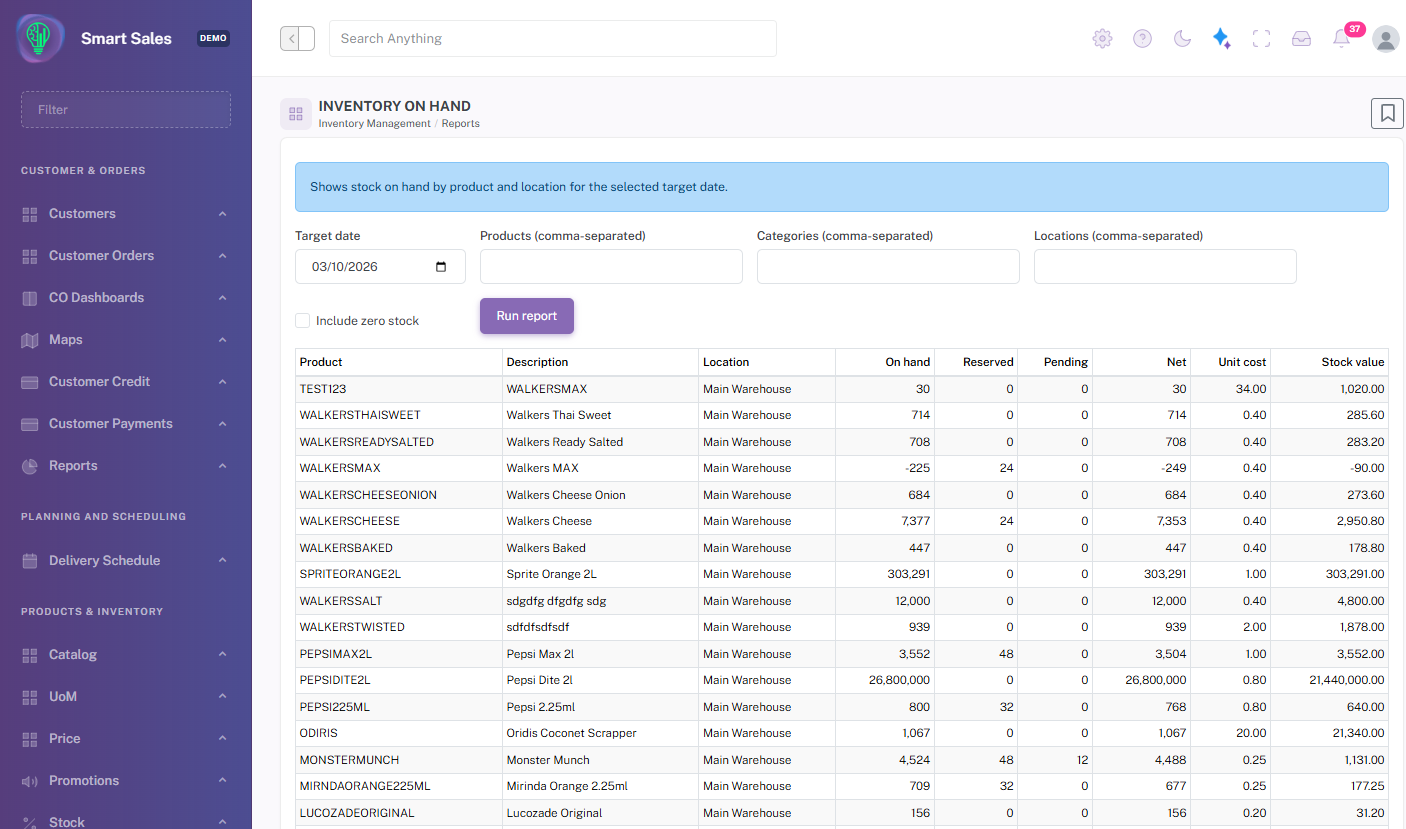
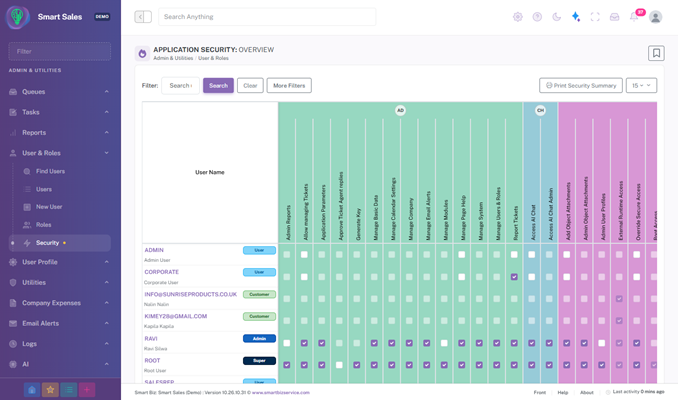
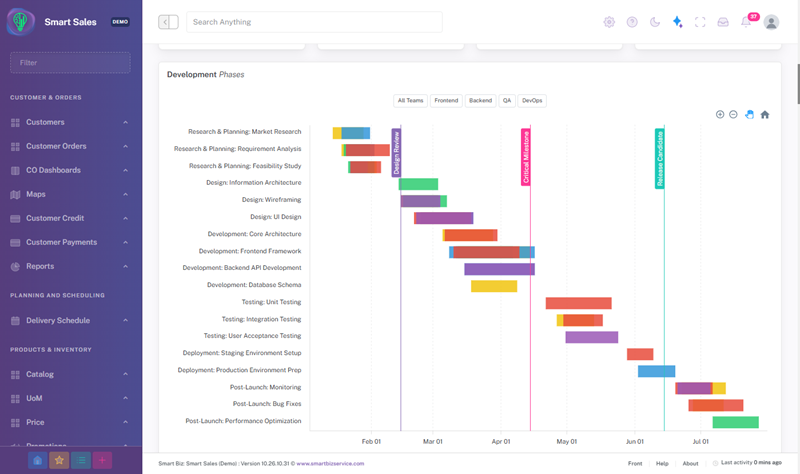
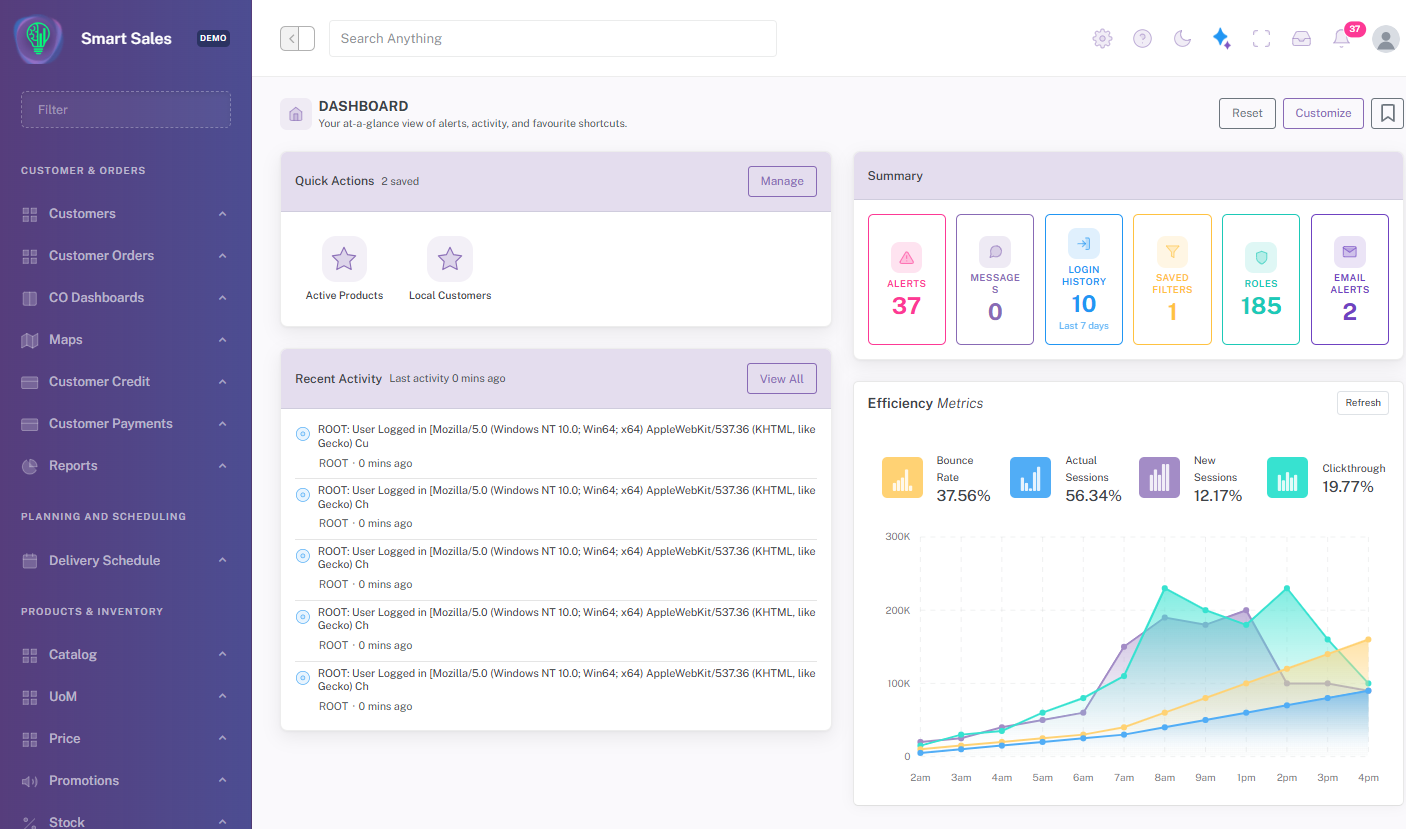
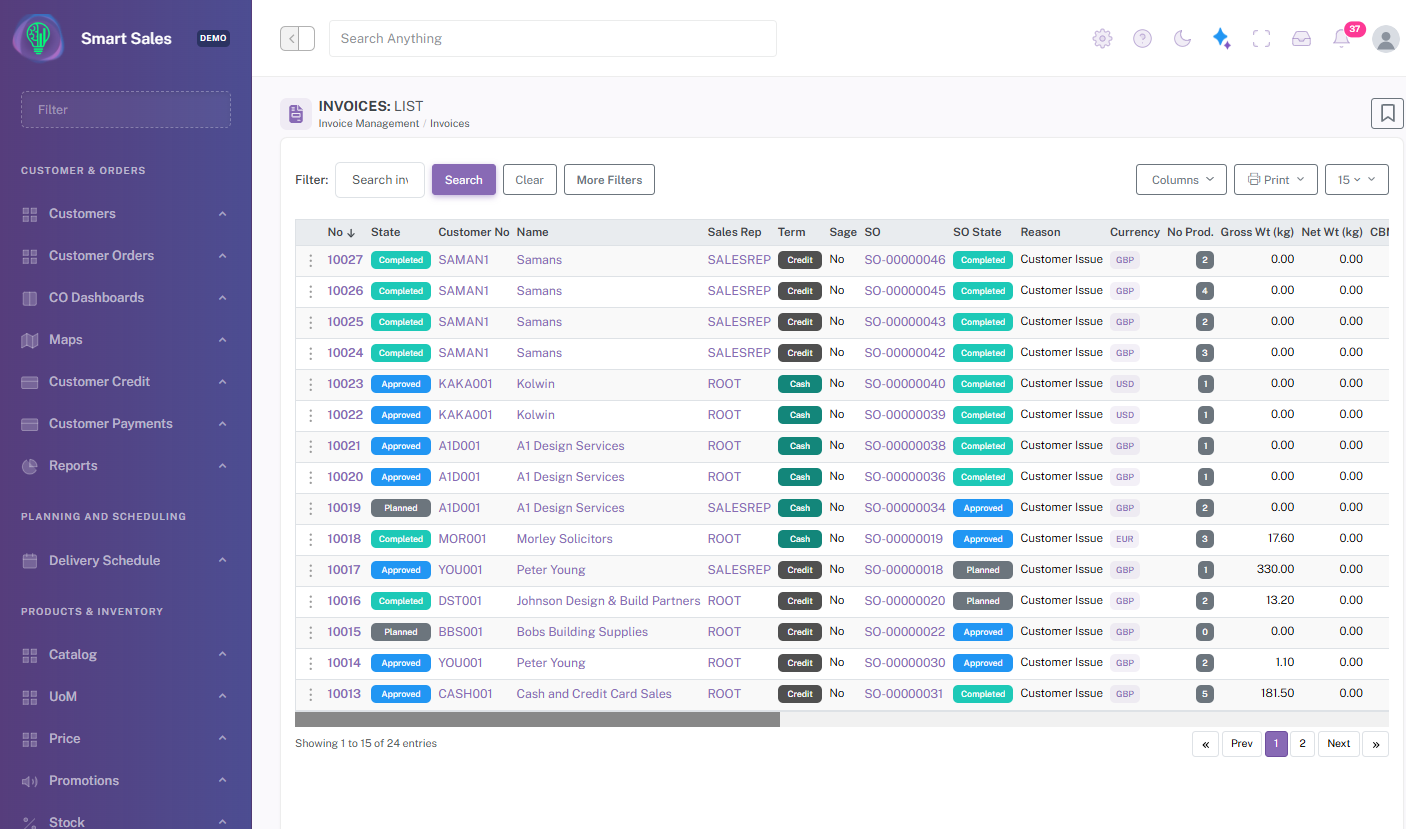
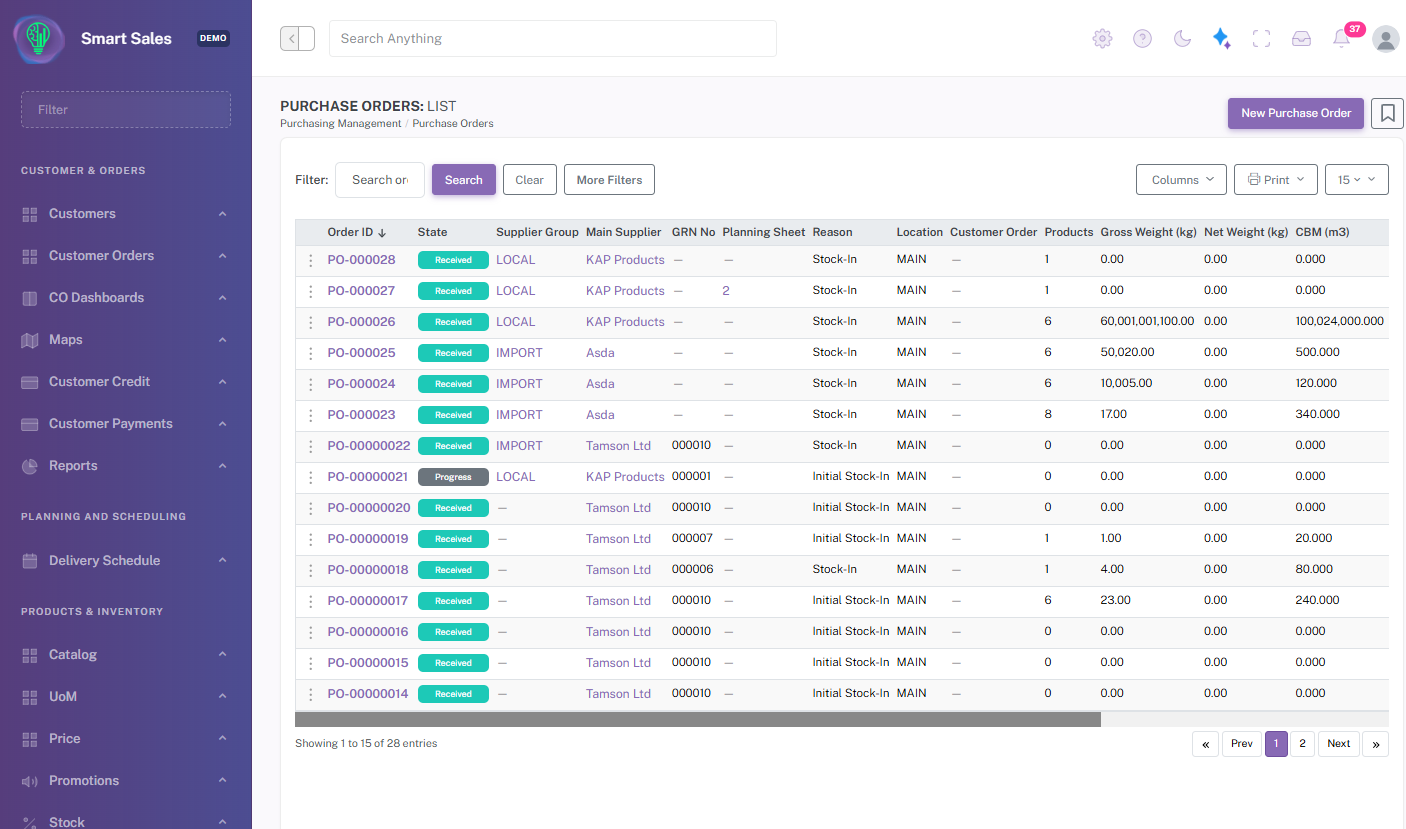
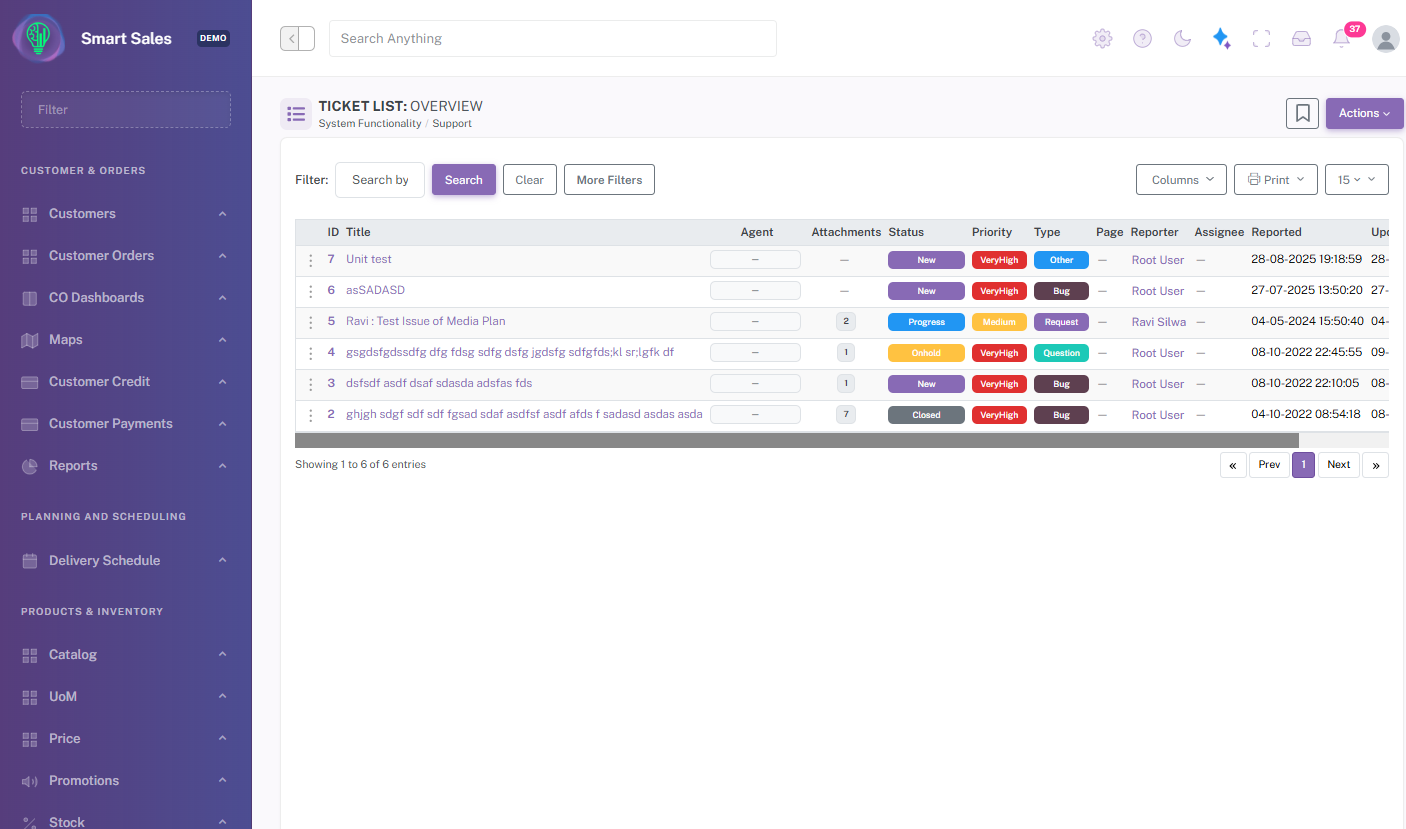
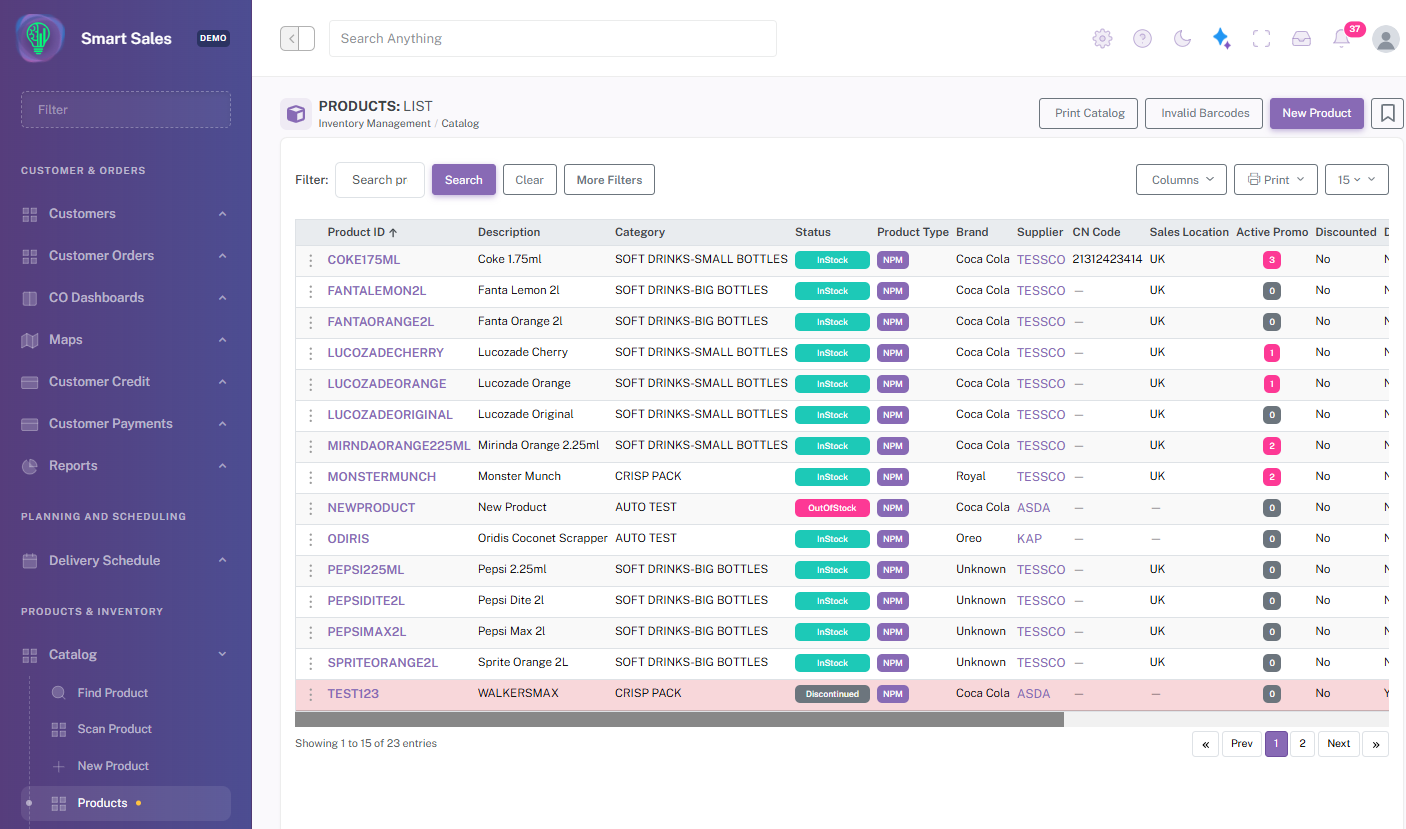
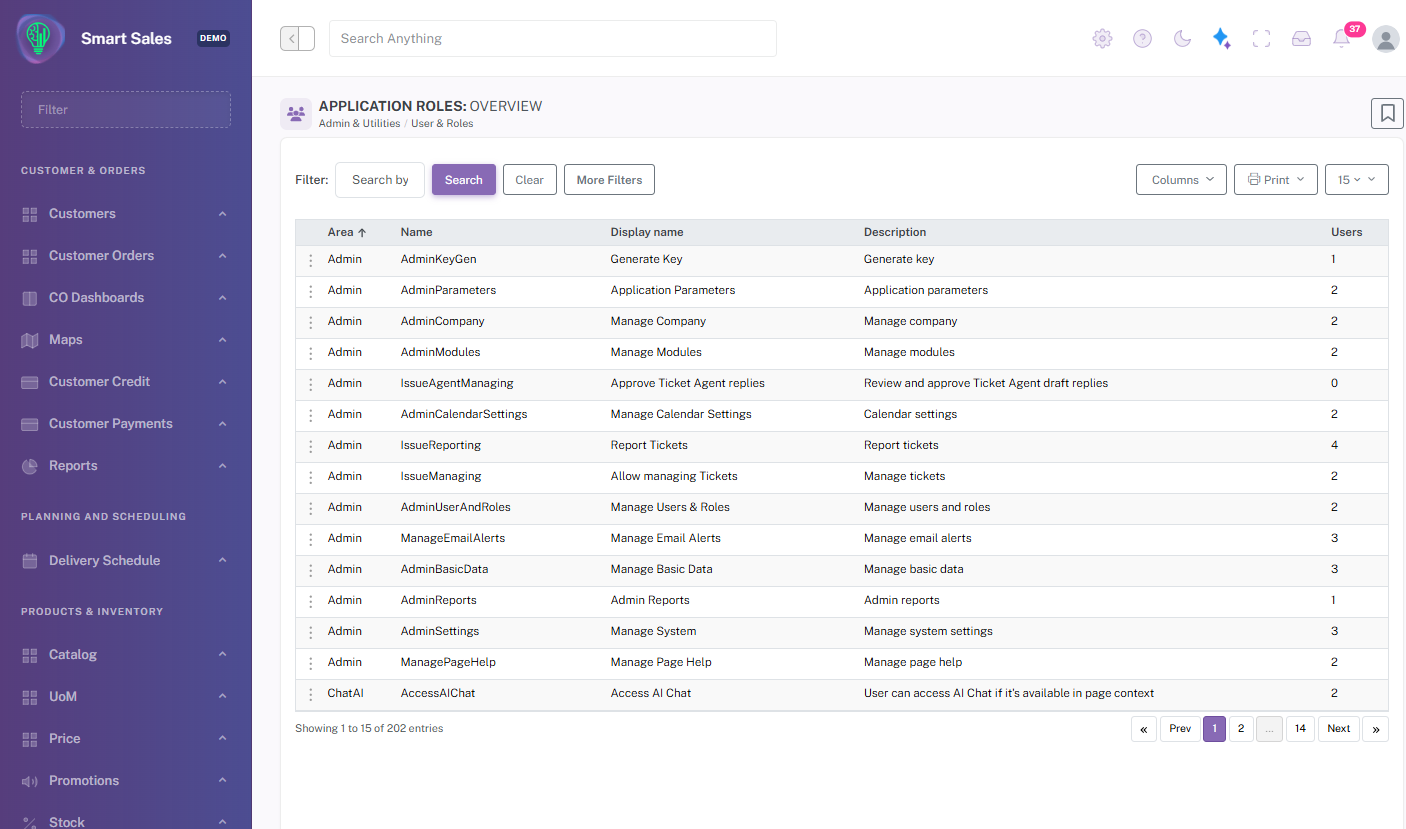
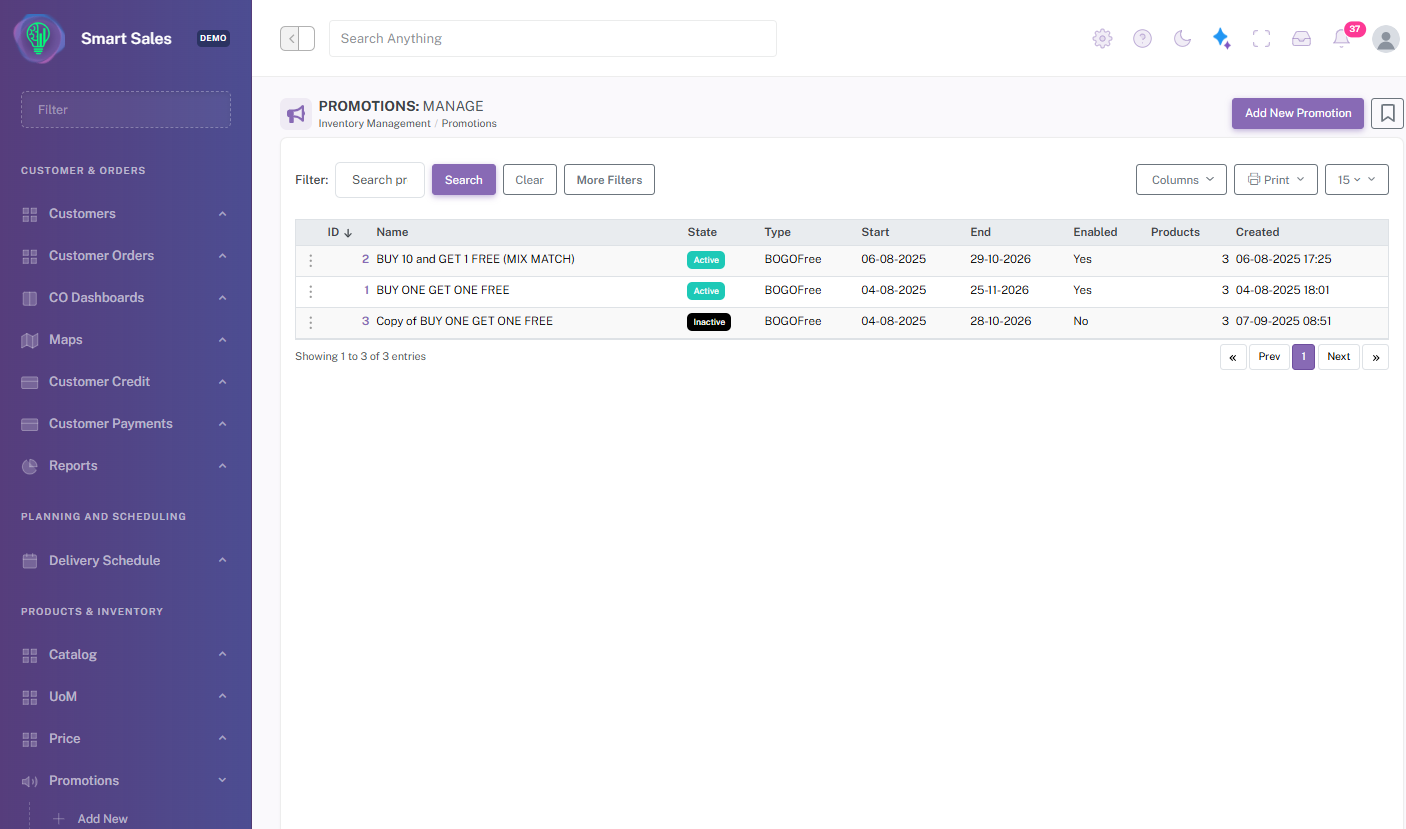
Smart Biz uses Google Gemini or OpenAI. Two flows are built in: Platform Chat AI for questions about business data, and the Support Ticket Agent for support work. A person still approves a customer reply before it is sent.
Staff ask from inside a screen. Each dataset has a skill description and keywords, so the assistant queries that data. Pages can show sample questions. Prompt and completion tokens are stored against the user.
A background job reads the ticket, suggests type and priority, searches the Bitbucket source, and writes a draft reply plus internal notes. The draft stays pending until staff approve it.
Chat starts from a screen in the application. The ticket agent starts when a support user requests it on an open ticket.
Chat matches a dataset skill. The ticket agent builds search queries from the ticket text and runs them against the repository.
Chat returns an answer tied to the data. The ticket agent returns a customer draft and notes. Staff approve the draft before it goes out.
Token use is stored. Each ticket-agent run is an audit session with the prompts, the code search, and the result. A failed run can be retried.
Tailor-Made Software gives customer essentially limitless options for creating and customizing digital assets.